The Last Shelf Standing: Video Stores Are Becoming Canada's Smallest Cinemas
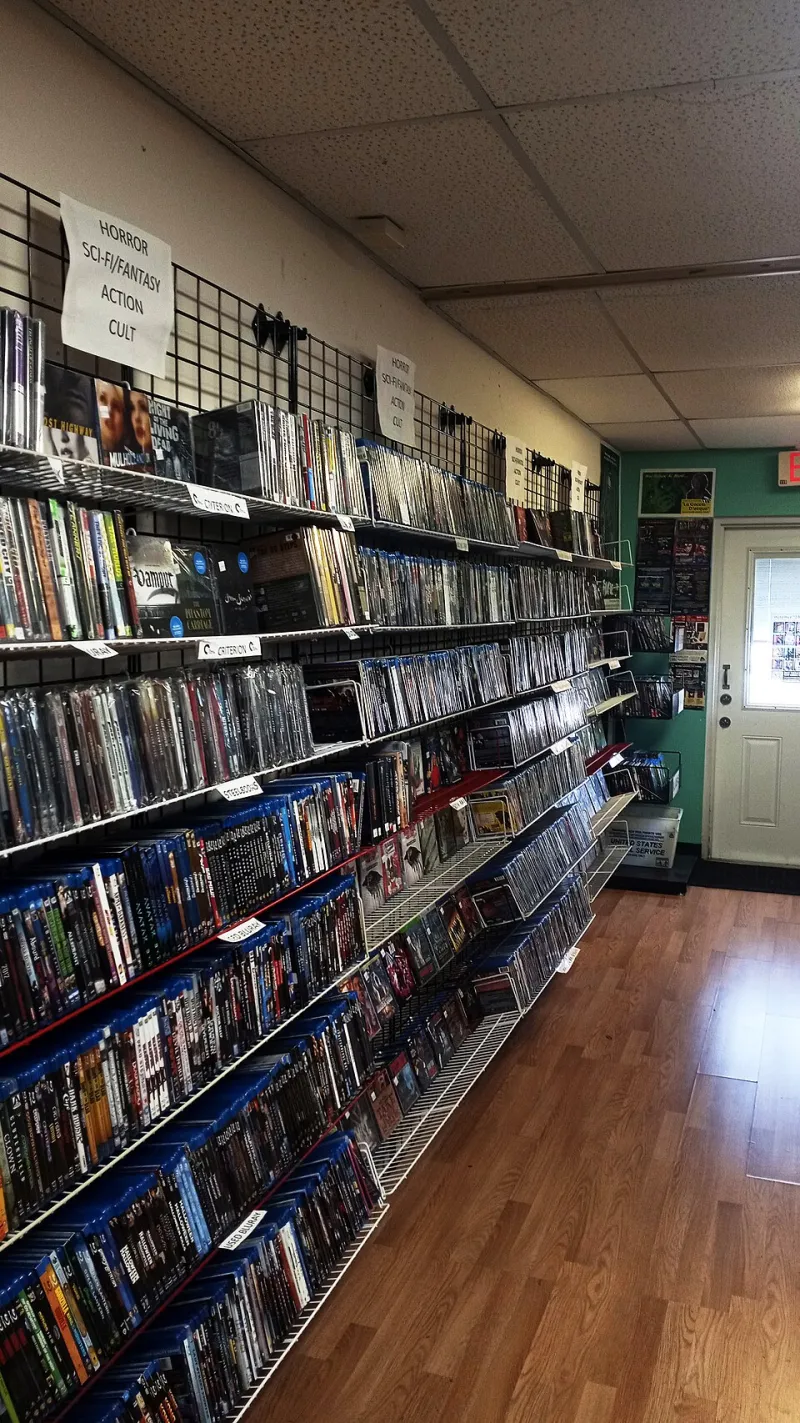
Photo: MatthewHoobin, CC BY-SA 4.0, via Wikimedia Commons
Thirty seats is not a cinema. Thirty seats is a bad meeting room.
Except when those thirty seats are wedged between a wall of Criterion spines and a shelf of direct-to-video action, the projector is aimed at a bedsheet someone ironed an hour ago, and the person introducing the film is the guy who ordered the tape in 1997 and can tell you exactly who returned it late. Then it's the best room in the country.
The Store Was Never Really About the Tapes
Let's be honest about what we lost. The video store was never a distribution business with a nice atmosphere. It was a third place with a rental counter — a place to argue with a stranger about whether a sequel was worth it, to be seen returning something embarrassing, to let a twelve-year-old pick a movie unsupervised for the first time.
Streaming didn't just replace the inventory. It replaced the conversation. The algorithm gives you what you were already going to want. A clerk with a ponytail and strong opinions gives you something else entirely.
The shops that survived the 2010s — after Videomatica closed in Vancouver, after Queen Video shut its doors in Toronto — survived by accident or stubbornness. And the ones now thriving have figured out that the rental fee was never the point. Programming is the point.
Popcorn at the Counter
Across the country, independent shops are converting back rooms, basements and in some cases the main floor into micro-cinemas. Folding chairs and a projector. Tickets that cost less than a popcorn combo at a multiplex. Schedules that look like they were assembled by someone with genuinely deranged taste, in the best way: a night of Canadian tax-shelter horror, a double bill of Quebecois coming-of-age films with one print held together by tape, a documentary about a town nobody's heard of, introduced by the person who grew up there.
What makes it work is scarcity. You cannot stream this. The print is rare, the room is tiny, the person next to you is going to ask you what you thought afterwards whether you like it or not. It's the opposite of the infinite library on your TV — a deliberately finite, scheduled, social thing.
The Archive Problem
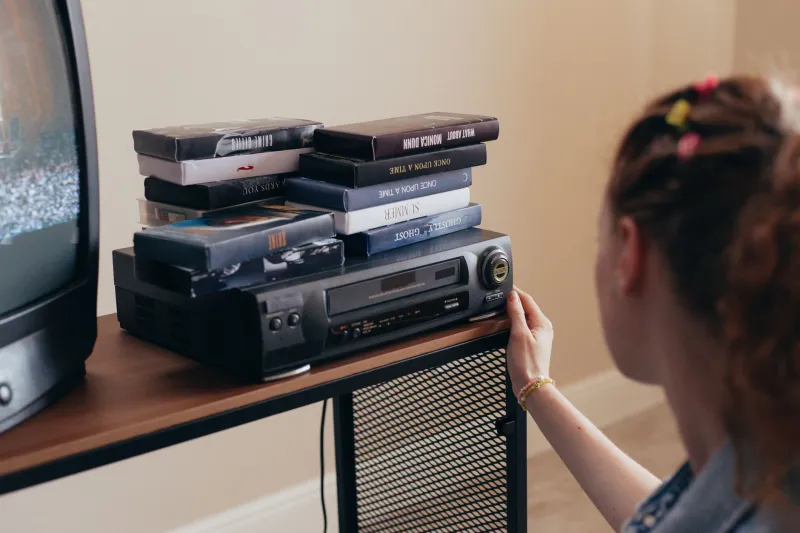
There's a harder story underneath the charm. A huge amount of Canadian film and television exists only on physical formats that are quietly rotting in closets — decaying tape, scratched discs, releases that never made the jump to digital and may never be licensed again. Video stores, almost by accident, have become de facto archives. Some owners are now cataloguing what they hold, digitizing what they can legally digitize, and lending to festivals and researchers who would otherwise have nothing to screen.
That's not nostalgia. That's preservation infrastructure, run by small businesses with a projector and a PayPal account. Institutions have noticed. So have filmmakers, who increasingly show up to screenings of their own early work because the only surviving copy is the one that got rented out of a shop in Regina.
The Kids Who Never Rented
Here's the genuinely surprising part: the audience skews young. People who never lived through the Blockbuster era, who find physical media appealing precisely because it's friction. You have to go there. You have to pick it up. There's a person. There's a shelf.
They come for the object and stay for the room. A store that hosts a screening every second week has a reason to exist beyond commerce, and a community that will crowdfund its rent when the lease comes up for renewal. Not every one will make it. The margins are brutal, the buildings are being redeveloped, the landlord math is unforgiving.
But thirty seats with the right thirty people is a real audience. Ask anyone who's sat through a scratched 16mm reel in a room that smells like plastic cases and carpet shampoo. Nobody was checking their phone. Nobody could.