Mic'd Up and Proudly Canadian: The Podcast Creators Putting Local Voices on the Global Stage
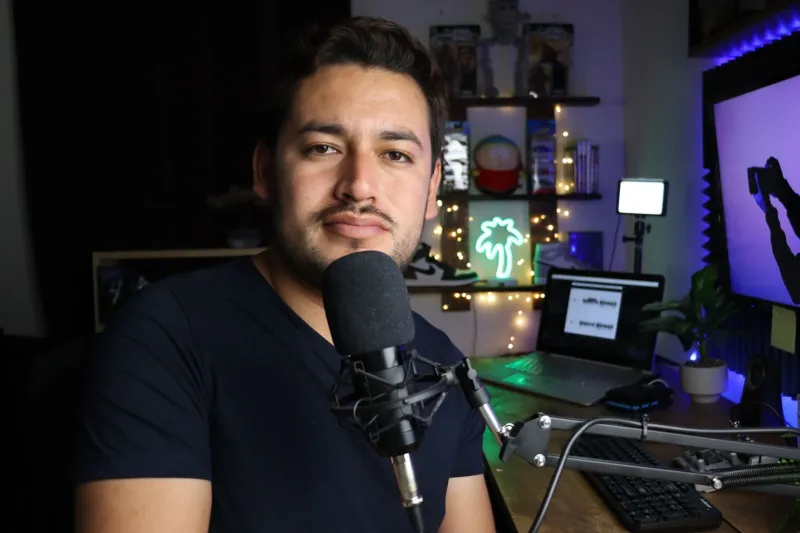
There's something quietly radical happening in headphones across this country. While Spotify's algorithm keeps serving up another true-crime series produced in a sleek Brooklyn studio, a scrappier and honestly more interesting audio revolution is unfolding from Signal Hill to the Salish Sea. Canadian podcasters — independent creators, regional collectives, and tiny production outfits operating out of spare bedrooms and co-op spaces — are proving that the most compelling stories don't need a Manhattan zip code or a seven-figure deal to find an audience.
This isn't a niche trend. It's a full-blown renaissance.
Why Now, and Why Canada?
The conditions were always right for this kind of explosion — Canada just needed the spark. Years of watching American platforms define what "prestige audio" looked like finally pushed a generation of creators to stop waiting for permission. The pandemic accelerated things considerably, as people cooped up in Halifax apartments or Thunder Bay bungalows started craving stories that actually sounded like their lives.
Add to that the dramatic drop in production costs — a halfway decent USB mic and free editing software can get you surprisingly far — and suddenly the barriers that once kept regional voices out of the medium basically evaporated. What emerged on the other side was a wave of podcasts that are unabashedly, specifically Canadian. Accents intact. References uncensored. No glossing over the complexity.
And here's the thing that keeps surprising the skeptics: global audiences are eating it up.
Coast-to-Coast and Proudly Specific
One of the defining qualities of this new wave is just how geographically rooted it is — and how that rootedness becomes a feature rather than a limitation.
In Atlantic Canada, creators are leaning into oral tradition in ways that feel almost ancestral. Podcasts exploring Acadian history, Mi'kmaw storytelling, and the particular absurdity of rural Maritime life are pulling listeners in from places that couldn't find New Brunswick on a map six months ago. There's a warmth and a cadence to those recordings that no amount of studio polish can manufacture.
Out west, the picture looks different but the energy is just as electric. Vancouver and Victoria have become hotbeds for audio documentary work that wrestles with gentrification, Indigenous land rights, and the strange cultural identity of a city that feels perpetually caught between Asia and America. Meanwhile, Alberta's podcast scene — often overlooked in conversations about Canadian creative culture — is producing some of the country's sharpest political commentary and most inventive narrative non-fiction.
And then there's Québec, which deserves its own conversation entirely. Francophone podcasting has been thriving in a kind of parallel universe, building enormous audiences within the province and among diaspora communities worldwide. Shows produced in Montréal are demonstrating that you don't need to anglicise your content to go international — you just need to make something worth listening to.
The Collective Model Is Changing Everything
One of the most exciting structural shifts in Canadian podcasting is the rise of production collectives — groups of creators pooling resources, sharing audiences, and building something bigger than any individual show could manage alone.
Think of it as the indie record label model applied to audio. Instead of every creator grinding in isolation, these collectives offer shared infrastructure: editing support, marketing know-how, cross-promotional reach, and crucially, a sense of community that keeps people from burning out six episodes in.
Toronto has seen a handful of these collectives take shape, but the model is spreading. There are loose networks forming in Winnipeg, in the Maritimes, in smaller Ontario cities that rarely get mentioned in media industry conversations. The result is a distributed ecosystem rather than a centralized hub — which, honestly, feels very Canadian.
These collectives are also doing something important for diversity within the medium. By lowering the barrier to entry and actively recruiting creators from communities that have historically been shut out of mainstream media, they're producing a much richer range of perspectives than you'd find on any curated platform playlist.
The Sound of Something Real
What separates the best of this new wave from the polished-but-hollow content that dominates the charts isn't production value. It's authenticity — and that word gets thrown around so much it's almost lost meaning, but bear with us here.
When a creator from Sudbury talks about growing up in a resource town during the decline of the mining industry, there's a texture to that story that can't be faked. When a Métis podcaster in Saskatchewan unpacks the layers of their identity in real time, across episodes that feel more like conversations than performances, listeners feel that. It creates a different kind of relationship between creator and audience — less parasocial celebrity worship, more genuine connection.
That realness is also what's driving the word-of-mouth growth that many of these shows rely on. Without massive marketing budgets or algorithmic boosts, Canadian indie podcasters are building audiences the old-fashioned way: making something so good that people can't stop telling their friends about it.
Challenging the Default Setting
For too long, "podcast" as a cultural category has defaulted to American. American voices, American reference points, American assumptions about what an audience wants. Canadian creators are actively dismantling that default — not by trying to out-American the Americans, but by doing the opposite.
They're leaning into the things that make Canadian culture distinct: the bilingualism, the regionalism, the complicated relationship with both Indigenous history and contemporary politics, the particular flavour of humour that emerges when you spend six months a year in the cold. These aren't weaknesses to be smoothed over for a global audience. They're the whole point.
The irony is that the more specific these shows get, the wider their appeal tends to become. A podcast about the social dynamics of a small northern Ontario town ends up resonating with listeners in rural Scotland. A Montréal show about navigating queer identity in a Catholic cultural context finds devoted fans in Brazil. Specificity, it turns out, is the most universal language there is.
What Comes Next
The infrastructure is still catching up to the talent. Canadian podcasting needs more investment — from both public bodies like the CBC and private funders who've been slow to recognise audio as a serious creative medium. The Canada Media Fund has started to expand its thinking around podcasting, which is encouraging, but there's a long way to go before the funding ecosystem matches the creative output.
There's also the ongoing challenge of discoverability. In a landscape dominated by Spotify and Apple's recommendation engines — both of which are optimised around American listening habits — Canadian shows often struggle to surface even when they're genuinely exceptional. Building out Canadian-specific discovery tools and directories is something the industry needs to take seriously.
But none of that dims the excitement of what's already happening. The voices are here. The stories are here. The audiences, both domestic and international, are finding their way to them.
Canadian podcasting isn't waiting for the industry to catch up. It's already eclipsing the old model — one episode at a time.