Dead Malls, Live Culture: The Radical Case for Letting Artists Take Over Our Ruins
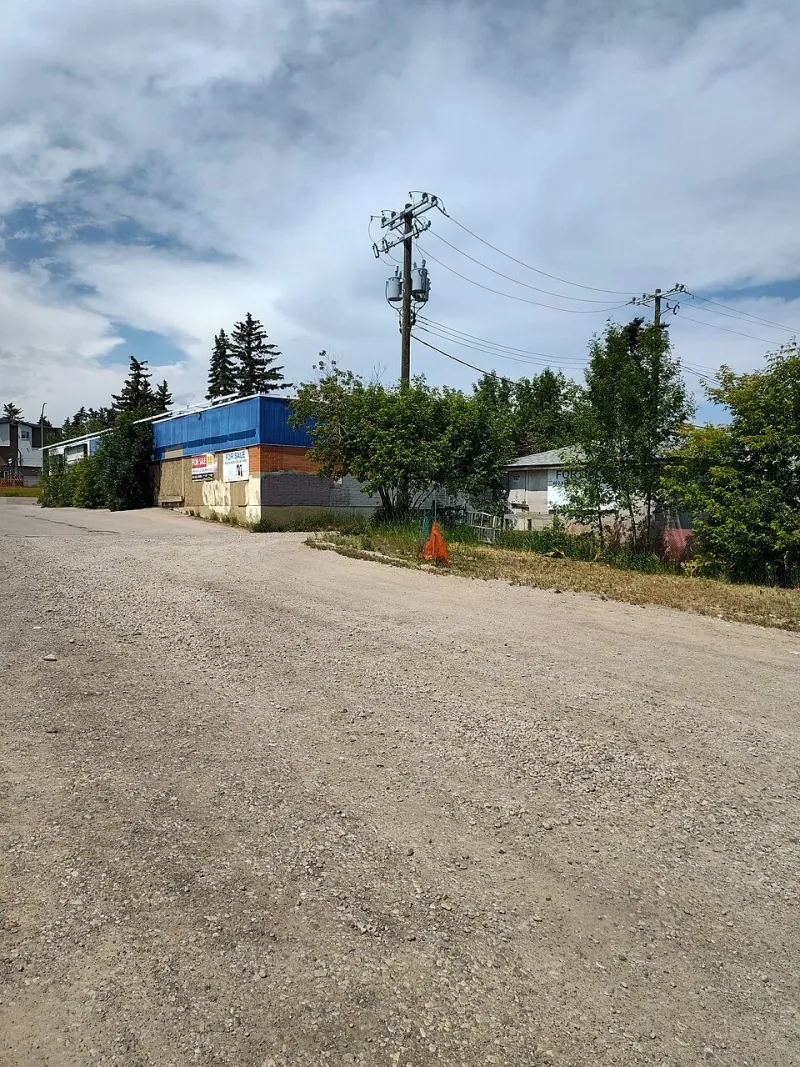
Photo: CnekYT, CC BY-SA 4.0, via Wikimedia Commons
Walk through a dead mall and you'll notice something strange: it doesn't feel dead. The food court might be down to one survivor, the anchor store a hollowed-out shell, but the bones — the skylights, the wide corridors, the sheer weird amount of square footage — are magnificent. It's architecture built for crowds, sitting empty, waiting for someone with imagination and a cheap lease.
Across Canada, that someone increasingly is an artist.
The Takeover Is Already Happening
In Hamilton, shuttered retail space has repeatedly become studio and venue space for a music and art scene that's exploded over the past decade. In Winnipeg, empty commercial buildings have hosted everything from pop-up galleries to all-ages shows that simply could not happen in a licensed venue. In Moncton, and in smaller centres where the mall was the social hub before it wasn't, artists and organizers are moving into the wreckage and making something out of it.
This isn't a new idea — artist squatting of dead commercial space is a well-worn global story. But the Canadian version has its own texture. Our malls weren't just shopping centres; for whole generations, especially in the suburbs and smaller cities, they were the public square. There's a poetry in artists reclaiming that square, in turning the food court into a darkroom and the former Sears into a rehearsal space.
Why the Mall Beats the Gallery
Here's my argument, and I'll make it plainly: culture is being shaped in these abandoned spaces faster and more honestly than in any government-funded arts institution in this country.
Our funded institutions do real work, but they are slow, risk-averse, and allergic to exactly the audiences — young, broke, suburban, racialized, weird — who are most likely to make the next thing. A grant application takes months. A dead mall lease takes a phone call. The bar for entry into a mall-turned-venue is a friend with a key and a plan, not a five-year strategic plan with measurable outcomes.
The economics are brutally simple. Artists can't afford downtown commercial rents anywhere in this country. Landlords of dying retail can't find tenants at market rate. The only mutually beneficial transaction available is a cheap, informal one — and that's precisely the transaction our cities are worst at accommodating.
Embrace or Regulate?
Which brings us to the question every municipality is quietly facing. When a crowd of three hundred shows up to a concert in a former Zellers, city hall has three options.
Option one: shut it down. This is the default. Fire code, occupancy, zoning — the enforcement machinery exists and it is not shy. And yes, safety matters; nobody wants a tragedy. But heavy-handed shutdowns don't make the scene disappear. They just push it underground and out of the downtown core, where nobody benefits.
Option two: ignore it. Tempting, cheap, and cowardly. It works until it doesn't, and then we're back to option one with a coroner's report.
Option three — the one almost no Canadian city has seriously tried — is active accommodation. Temporary use permits. Light-touch occupancy frameworks designed for pop-up and interim uses. Property tax incentives for landlords who lease dead retail to cultural uses at below-market rates. Cities like Detroit and parts of Europe have experimented with this; Canadian municipalities, perpetually caught between liability lawyers and a nostalgia for the mall's golden age, have mostly dithered.
The Development Question
There's an obvious counterargument, and it deserves an honest answer: a dead mall is land, and land is money. Developers eye these sites for condos, and in a housing crisis, housing is not a villain. Nobody sensible is arguing a parking lot should stay a parking lot forever.
But interim use costs developers nothing. An artist collective paying nominal rent and maintaining a building is a better neighbour than boarded windows and squatters, and frankly a better neighbour than nothing at all for the five to ten years a site sits in the development pipeline. The ask is not permanence. The ask is: don't demolish the culture while you wait for the financing to close.
Canada's most interesting cultural spaces of the last twenty years — the venues, the galleries, the scenes that mattered — almost all started as temporary uses of buildings nobody wanted. The dead mall is just the next iteration, at a scale we've never had before.
The lights are off and the fountains are dry, but the space is there, enormous and echoing. Someone's already got the key. The only question is whether the city sends an inspector or an invitation.