Pixels Without Permission: Canadian Visual Artists Are Done Waiting for the Algorithm to Care
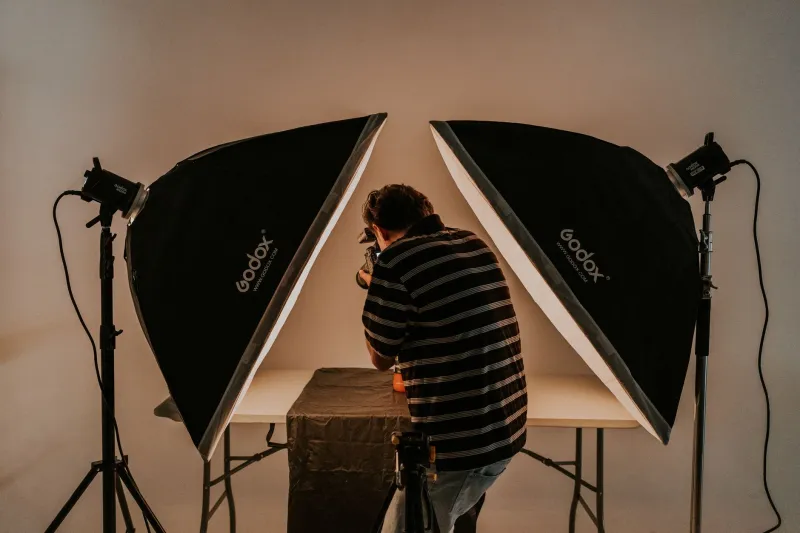
There's a particular kind of exhaustion that sets in when you've spent three years making genuinely compelling work, posted it consistently, engaged with your community, done everything the platform asked — and watched your reach quietly collapse anyway because you didn't post a Reel, or you didn't post it at the right hour, or the algorithm simply decided you weren't the product it wanted to sell that week.
For a growing number of Canadian photographers and designers, that exhaustion has curdled into something more productive: rage, followed by action.
The Instagram Problem Nobody Wants to Admit
Instagram's relationship with visual artists has always been complicated. On one hand, the platform genuinely democratized exposure in its early years, letting photographers in Saskatoon reach audiences in Seoul without gallery representation or a publicist. On the other hand, it commodified visual culture in ways that quietly reshaped what creators made, and for whom.
The shift to algorithmic feeds — away from chronological timelines — was the first rupture. The relentless pivot to video was the second. For photographers especially, a platform built on the premise of still images has spent the better part of five years trying to become TikTok, leaving its core creative community in an awkward middle ground: too visual for short-form video, too static for the engagement metrics that now determine reach.
"I was making work I was genuinely proud of and it was getting seen by fewer people every month," says one Toronto-based documentary photographer whose work has been exhibited nationally. "The platform wasn't broken for me. It was working exactly as designed — just not for artists."
Discord Is the New Gallery Opening
The migration isn't toward one alternative. It's toward many, simultaneously — which is actually the point.
Discord servers have emerged as surprisingly fertile ground for Canadian visual communities. Unlike the broadcast model of Instagram, Discord operates on conversation: you're not performing for an anonymous feed, you're talking to people who actively chose to be in the room. Photography collectives in Vancouver and Montreal have built servers with hundreds of members who share work-in-progress, critique each other's edits, organize collaborative shoots, and — crucially — actually buy each other's prints.
The intimacy changes the dynamic entirely. When your audience is a community rather than a metric, the work shifts. Artists report making bolder choices, experimenting more, and feeling less pressure to optimize for engagement signals they don't control.
Independent portfolio sites are seeing a parallel resurgence. Platforms like Format (a Canadian company, worth noting) and Are.na have attracted creators specifically because they don't impose algorithmic logic on how work is presented or discovered. Your portfolio looks the way you want it to look. Visitors find it through genuine interest — a link shared in a newsletter, a recommendation from another artist, a search that actually reflects intent.
Web3 Was Supposed to Be a Punchline — Until It Wasn't
The NFT moment of 2021 left a lot of people burned and a lot of critics smug. But something quieter has persisted in its wake: a genuine infrastructure for digital artists to own and monetize their work directly, particularly among illustrators and digital designers who had essentially no mechanism for selling original digital work before blockchain-based ownership models emerged.
Canadian digital artists, particularly in Toronto and Vancouver, have been among the more thoughtful adopters of Web3 tools — not as a speculative gold rush, but as a practical solution to a real problem. How do you sell a digital image in a world where images are infinitely copyable? The technology is imperfect and the market is volatile, but the underlying question it's trying to answer is legitimate.
Collectives like those operating on platforms such as Foundation and Objkt have given Canadian illustrators and photographers a secondary income stream that doesn't depend on brand partnerships or print sales — and connects them directly with collectors who are specifically interested in their aesthetic vision.
The Return of Physical Space
Here's the move nobody predicted: the most digitally sophisticated Canadian visual artists are increasingly investing in physical space.
Gallery cooperatives — artist-run, collectively owned exhibition spaces — are proliferating in cities where commercial gallery rents have made traditional representation inaccessible for emerging creators. In Halifax, Winnipeg, and smaller Ontario cities, these co-ops function as community anchors: exhibition space, studio rental, workshop programming, and social hub all collapsed into one.
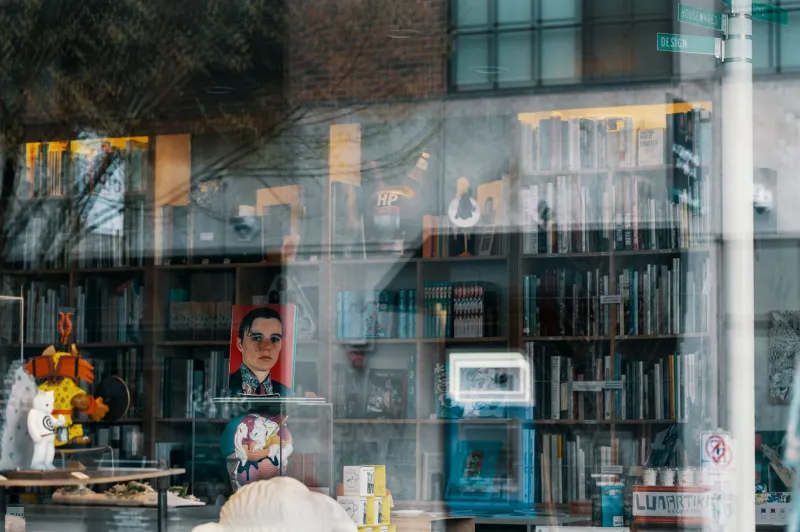
The logic is almost deliberately old-fashioned: show work in a room, talk to people who come to see it, build relationships that aren't mediated by a platform's terms of service. But it works, particularly for photographers whose work loses something essential on a five-inch screen.
What makes this moment distinct from earlier DIY gallery movements is the digital-physical integration. A co-op space in Hamilton might maintain a Discord server, a newsletter, and an independent website alongside its physical programming — each channel serving a different function, none of them dependent on an algorithm's goodwill.
Building for Depth, Not Scale
The common thread across all of these moves — the Discord servers, the portfolio sites, the Web3 experiments, the physical co-ops — is a deliberate trade of scale for depth.
Instagram can deliver reach. What it can't deliver is an audience that actually gives a damn about your specific vision, that will follow you across platforms, buy your work, show up to your opening, and recommend you to their friends. That audience has to be built, slowly and intentionally, through genuine creative relationship.
Canadian visual artists are building it. They're doing it without permission from Silicon Valley, without waiting for an algorithm to validate their aesthetic, and without apologizing for the fact that their work doesn't fit neatly into a content strategy.
The feed was never the destination. It was just the most convenient road for a while. Now people are building better roads — and in Canada, they're building them together.