Beyond the 416 and 604: The Regional Creators Quietly Building Canada's Creative Future
There's a particular kind of frustration that comes with being talented in the wrong postal code.
Ask a filmmaker from Winnipeg how many times they've been told to "move to Toronto if you're serious." Ask a musician from Halifax what happens when they pitch a national media outlet. Ask a Calgary-based visual artist how often their city gets mentioned in roundups of Canada's creative hubs. The answer, almost universally, is: not enough, not often, and basically never.
Canadian culture has a geography problem. And while it's hardly a secret that our media infrastructure is disproportionately concentrated in two cities, what doesn't get talked about nearly enough is what's happening because of that neglect — and why the regions being overlooked are quietly becoming the most interesting places in the country to make things.
The Funding Map Tells the Story
Let's be honest about the numbers for a second. The Canada Media Fund, Telefilm Canada, and most major arts councils have historically funnelled the lion's share of their resources toward projects based in Toronto and Vancouver — not always by design, but by proximity, by network, and by the simple gravitational pull of where the industry infrastructure already lives.
Producers in those cities have agents. They have relationships with broadcasters. They have access to co-working spaces full of other people doing the same thing. That ecosystem compounds itself, and the result is that a filmmaker in Regina or a podcast creator in Moncton is essentially running a creative business on hard mode from day one.
But here's the thing about hard mode: it builds different muscles.
Creators who can't rely on industry gatekeepers have had to get creative about how they fund, distribute, and market their work. They've become fluent in crowdfunding, in direct-to-audience models, in community-supported art. They've built local audiences that are fiercely loyal precisely because those audiences feel seen in a way that slick, Toronto-produced content often doesn't deliver.
Calgary's Film Scene Isn't Waiting for Anyone
Alberta's largest city has spent years being underestimated, and its creative community has turned that underestimation into a kind of fuel.
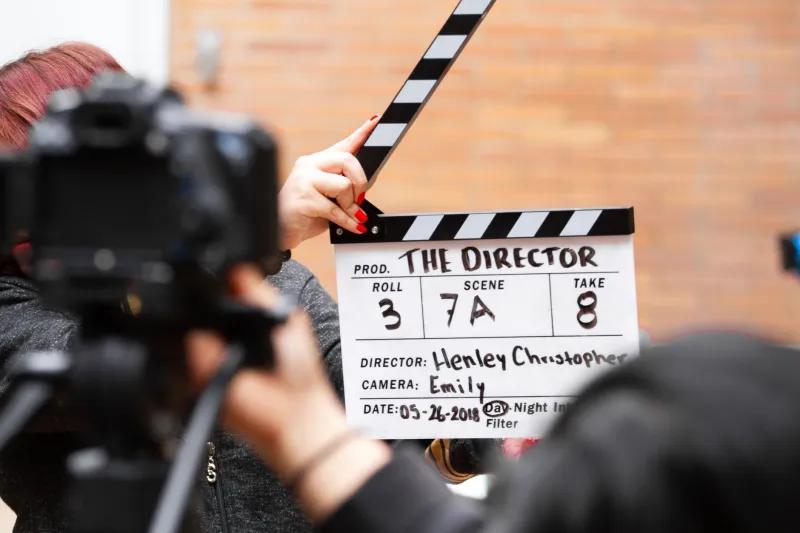
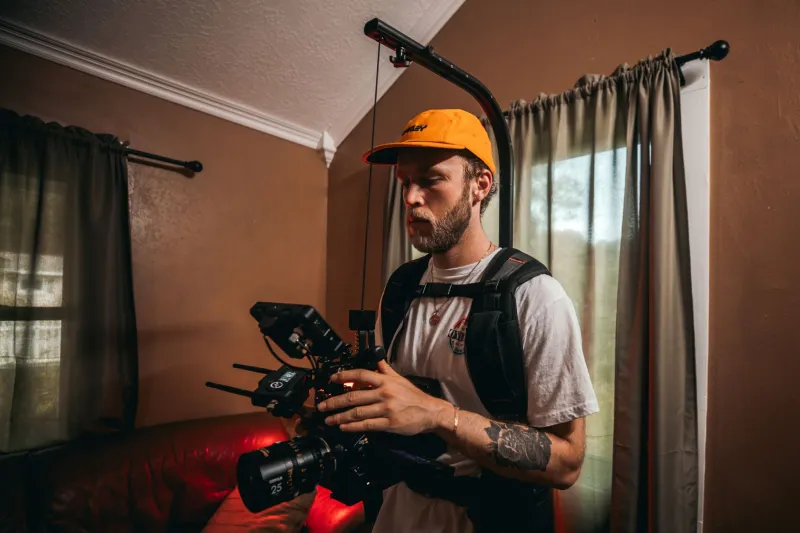
The Calgary Film Centre has been quietly producing work that punches well above the city's cultural profile, and a wave of independent filmmakers has emerged from the local scene making genre films, documentary work, and experimental shorts that are finding audiences at international festivals without ever needing a Bay Street co-sign.
What's striking about Calgary's creative culture is how deliberately it has built its own infrastructure. Local production companies are hiring local. Film festivals like Fairy Tales (one of Canada's longest-running queer film festivals) have maintained their identity and their audience without chasing prestige or relocating. There's an intentionality to Calgary's creative economy that feels less like a consolation prize and more like a conscious choice.
Halifax Is Doing Something the Coasts Can't Copy
Nova Scotia's capital has always had a music reputation — everyone knows the East Coast music scene has produced more than its fair share of Canadian legends. But what's happening in Halifax right now goes beyond guitar-and-kitchen-party nostalgia.
A younger generation of Halifax creators is blending music, film, visual art, and storytelling in ways that feel genuinely hybrid. The city's small size, which was once seen as a limitation, has become a creative asset: everyone knows everyone, collaborations happen organically, and there's no real separation between scenes. A musician is also a video director is also a zine publisher is also running a community arts space.
That kind of cross-pollination is incredibly hard to manufacture in a city the size of Toronto, where industries silo themselves and the cost of living makes artistic risk-taking a genuine financial gamble. In Halifax, the stakes are different, and the freedom that comes with that is showing up in the work.
Winnipeg's Long Game
If any Canadian city deserves a serious critical reassessment, it's Winnipeg. The city has an arts culture that is, by almost any measure, extraordinary relative to its size — a world-class ballet company, a thriving Indigenous arts scene that is producing some of the most important creative work in the country, a music community that has always been weirder and more interesting than anyone from outside Manitoba tends to expect.
What Winnipeg's creators have figured out — and this is something that gets talked about inside the community but rarely makes it into national media — is that distance from the centre creates a kind of creative sovereignty. You're not chasing what's trending in Toronto because you're not embedded in those conversations. You're making what's true to your place and your community, and that authenticity resonates in ways that trend-chasing rarely does.
Indigenous filmmakers and storytellers based in Manitoba are creating work that is reshaping how Canadian cinema thinks about narrative, land, and identity. That work is being recognized internationally. It is not, notably, waiting for a Toronto distributor to validate it first.
Montreal's English-Language Wild Card
Montreal occupies a strange position in this conversation. It's a major city, obviously, but its anglophone creative scene exists in a kind of permanent productive tension — too big to be ignored, too bilingual to be fully absorbed by the Toronto-centric English Canadian media machine, too French in its cultural DNA to be treated as simply another outpost of the same industry.
Anglophone Montreal creators have had to learn to operate across linguistic and cultural lines in ways that give them an almost unfair advantage in terms of creative range. They're fluent in European cultural references and North American commercial instincts simultaneously. The city's legendary DIY ethic — born partly from economic necessity and partly from a genuine suspicion of mainstream industry — has produced a generation of creators who are genuinely hard to categorize, which means they're genuinely hard to ignore.
The Lesson the Industry Keeps Refusing to Learn
The through-line connecting all of these regional scenes is almost embarrassingly simple: when you're not handed infrastructure, you build your own. And the infrastructure you build from scratch, out of necessity and community and genuine creative hunger, tends to be more resilient, more authentic, and more innovative than the kind that gets handed to you.
Canadian media funding institutions are slowly beginning to acknowledge this. There have been incremental moves toward regional equity in grant programs, toward recognizing that the creative economy doesn't only happen where the most expensive real estate is. But slowly is the operative word, and creators in Calgary and Halifax and Winnipeg aren't holding their breath.
They're too busy making things.
The real story of Canadian creativity in 2025 isn't happening in a Yorkville production office or a Gastown studio. It's happening in cities and towns that the industry has consistently underestimated, made by people who stopped waiting to be discovered and started building the future themselves.
Eclipser will be watching — and more importantly, so will the rest of the world.